Waste Characterisation: Investigating What We Throw Away
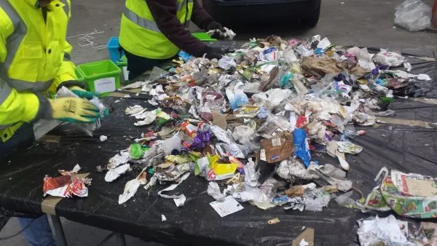
Waste characterisation involves analysing the types of waste generated in a specific area to understand what is being thrown away and how it can be managed more sustainably. By examining the waste produced in a school, students can identify opportunities to reduce waste, increase recycling, and encourage composting.
BACKGROUND INFORMATION

- SUBJECTS: Science, Mathematics, Geography, Literacy, and Social, Personal and Health Education
- IDEAL FOR: whole class activity, environmental awareness week activity
- TIME REQUIRED: approximately 30 minutes preparation, 1-2 hours of activity and 45 minutes for follow-up discussion and reporting
REQUIRED MATERIALS
- Large plastic sheets or tarpaulins
- Clear plastic bags or bins for sorting waste
- Labels for waste categories (e.g., paper, plastic, food waste, recyclables, non-recyclables)loves (for safety)
- Clipboards or notebooks
- Pens and markers
- Charts or graphs for recording data
- Weighing scales (for measuring waste)
- Tngs/picker (for handling waste)
- in bags for collecting waste
- sanitiser
- to a sink for washing hands
Preparation
- Inform the school staff and students in advance about the waste audit to ensure cooperation.
- Prepare a waste collection point where students will bring classroom waste.
- Lay out tarpaulins on the floor to create a clean working area for sorting.
- Label bins or bags for each waste category.
- Ensure students have gloves and safety equipment to handle waste safely.
In Class Tasks
Step 1: Collect Waste
- Gather waste from different areas of the school (e.g., classrooms, staffroom, playground).
- Ensure that each group has an equal amount of waste to sort.
Step 2: Sort Waste
- Divide students into small groups and give each group a section of waste to sort.
- Ask students to separate the waste into categories such as paper, plastic, food waste, recyclables, and non-recyclables.
Step 3: Weigh and Record Data
- Weigh each category of waste and record the results on a data chart.
- Encourage students to use maths skills to calculate percentages and totals.
Step 4: Discuss Findings
- Discuss the results as a class.
- Ask questions such as:
– Which type of waste was most common?
– How much of the waste could have been recycled or composted?
– What changes can the school make to reduce waste?
Step 5: Create an Action Plan
- Based on the findings, encourage students to develop an action plan to reduce waste in the school.
- Ideas include:
– Setting up recycling stations
– Starting a composting programm
– Encouraging waste-free lunches
TIP

Involve the whole school community!
Invite teachers, staff, and parents to support the initiative. Make posters to raise awareness about waste reduction and encourage everyone to take part.
DID YOU KNOW
Food waste makes up one-third of all waste produced. By reducing waste, schools can lower their carbon footprint and contribute to a more sustainable future.