Wildflower Meadow
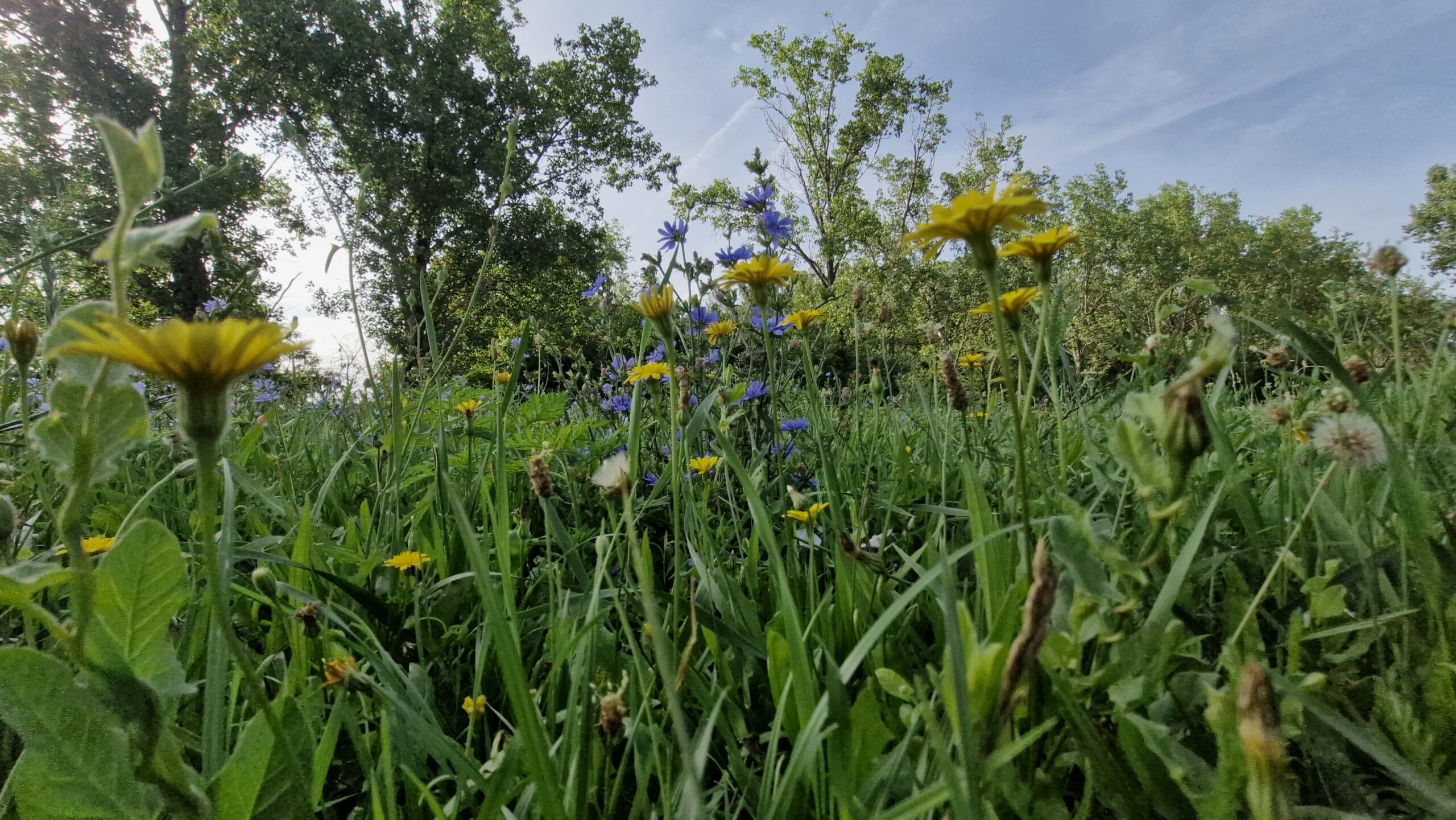
Creating a wildflower meadow is one of the most rewarding ways to support local biodiversity. It brings colour, movement, and life into any garden or green space, while providing essential food and shelter for insects and other wildlife. The approach you take depends on the ground you are starting with, but the aim is always the same. You want to give native wildflowers the space and conditions they need to thrive.
Getting started
If your ground is already covered in mown grass, you have two options. You can either remove the grass completely or change your mowing routine to allow the plants already in the soil to grow and flower. Many native species lie dormant under traditional mowing and will appear as soon as they are given a chance.
Whatever method you choose, it is very important to focus on native species that suit your soil and local conditions. The commercial wildflower mixes often sold in shops rarely contain local species. They look attractive at first but offer little ecological value and can even introduce invasive plants. It is understandable to want bright, showy flowers, but our pollinators need reliable native plants that they can use for food.
If you want to sow seed, look for wildflower seed of local provenance. This gives you the best chance of establishing a meadow that supports native wildlife.
Letting nature lead the way
Often, the simplest method is the most effective. By reducing or pausing mowing, flowers such as Dandelion, Clovers, Self heal and Birds foot trefoil can appear naturally. These are some of the most important plants for pollinators. They return every year without cost or maintenance beyond allowing them to grow.
Even small patches of unmown ground contribute significantly to biodiversity. A network of tiny meadows and verges across gardens, schools and community spaces creates valuable stepping stones for insects and other wildlife. These small actions add up to a meaningful and long lasting impact.
If you plan to sow seed
If you prefer to create a meadow by sowing seed, it is best to dig out and remove the existing grass. Grass is highly competitive and will outgrow wildflowers in most soils. Many wildflowers also prefer soil that is low in nutrients, so avoid adding compost or fertiliser and remove any grass cuttings that might enrich the soil. Lean soil encourages a more diverse display of native species.
For reliable guidance, the All Ireland Pollinator Plan website at pollinators.ie provides excellent information, step by step guides and helpful videos that apply to all regions.
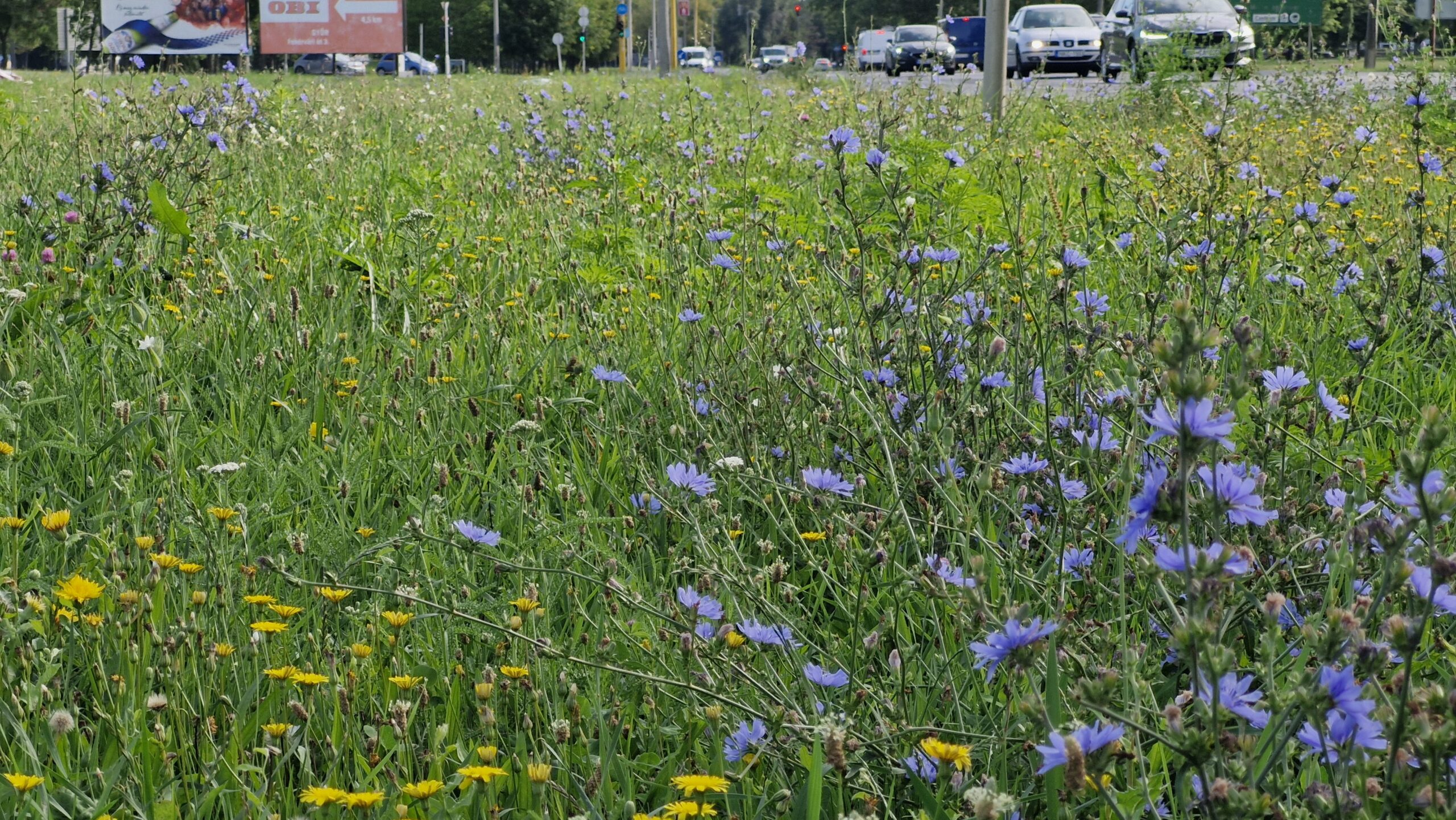
A wildflower meadow is not just a feature of a garden. It is a small but powerful act of restoration. By choosing native plants and allowing nature to take the lead, you create a space that supports pollinators, enriches the landscape and connects your garden to the wider environment. Whether you manage a large field or a narrow verge, your meadow contributes to the health of wildlife for years to come.