Troubleshooting composting problems
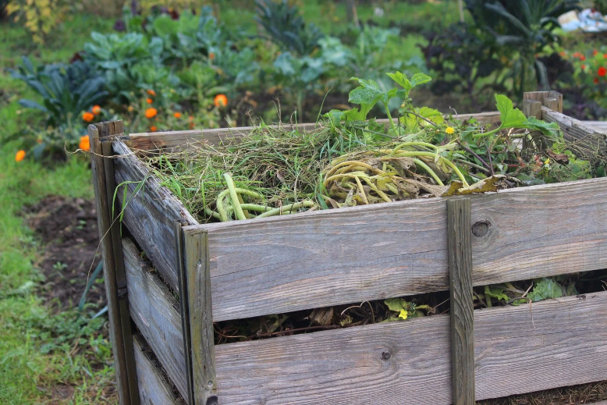
Composting is a natural process that transforms organic waste into nutrient-rich soil conditioner. While composting is generally straightforward, problems can occasionally arise such as foul smells, pests, or slow decomposition that can discourage even the most enthusiastic composter.
Understanding the common symptoms of composting issues, their possible causes, and practical solutions is key to maintaining a healthy and efficient compost pile. This exercise is designed to help you identify and troubleshoot common composting problems, so you can keep your compost pile active, odour-free, and productive. Use the table below to match symptoms with their causes and appropriate remedies, and refer back to it whenever your compost pile needs a helping hand.
Some effective methods of composting different materials:
| Symptom | Possible Causes | Solution |
|---|---|---|
| Pile has foul odour | – Not enough air – Pile too wet – Meat and fish added to pile | – Turn it, add coarse dry stalks, straw, hay, leaves or bush trimmings – Limit food scraps to vegetative ones |
| Clumps of slimy grass, sharp ammonia smell | Too much fresh grass | – Leave cuttings on lawn or allow them to dry for a day or two before collecting them for composting. – Mix in brown leaves, straw, hay, bush trimming, stems, stalks, or wood shavings. – Remember the 50/50 rule of mixing green and brown materials. |
| Pile is dry throughout | – Not enough water. – Too much woody material. – Pile is in sunny location. – Pile may be too small. | – Turn the pile and moisten materials. – Cover pile. – Add fresh green materials. Move bin to a shadier location. – Add materials or combine with another pile. |
| Pile is damp, but woody and not composting | – Materials are too big. – Shortage of green materials. | – Chop or shred materials. – Turn and mix in a source of green materials such as grass cuttings or animal manure. |
| A swarm of flies greets you when you open the lid | – Pile is too wet. – Food scraps are placed on top. | – Mix in dry brown materials or add some on top. – Bury food scraps within the pile. – Cover pile with wet newspaper or a plastic sheet. |
| Rats live in the pile | – High protein food waste in pile. – Food waste on top. – Pile is warm and dry. | – Stop adding animal products to bin. – Bury food scraps into pile. – Turn pile frequently to disturb nesting. – Place mesh under and around the base of the pile or bin. |
| Pile does not heat up | – Not enough material. – Too dry. – Not enough fresh green materials. – Particles are too big. – Compacted or too dense – no air spaces in pile. | – Make bigger batches. – Add moisture when pile is turned. – Add fresh green materials when turned. – Chop or shred materials. – Turn to introduce air and loosen up the pile. |
| Pile has shrunk, but looks undecomposed | Outside of pile is dry, inside is probably composted | – Check in the pile for any finished compost. – If compost is not ready, turn pile, add water if necessary and allow it to finish. – If some compost is ready, remove it from the pile and use undecomposed material to start a new batch. |
Successful composting relies on the right balance of materials, moisture, air, and temperature. By recognising the signs of common problems such as unpleasant odours, pest activity, or slow breakdown you can take quick and effective action to restore balance in your compost pile.
Regular monitoring and small adjustments go a long way toward creating rich, healthy compost. Whether you’re just starting out or fine-tuning your process, using this troubleshooting guide will help ensure your composting efforts are both effective and rewarding. Keep experimenting, stay observant, and don’t be discouraged, composting is as much a learning journey as it is a natural one.