Creating a Pollinator Friendly Environment
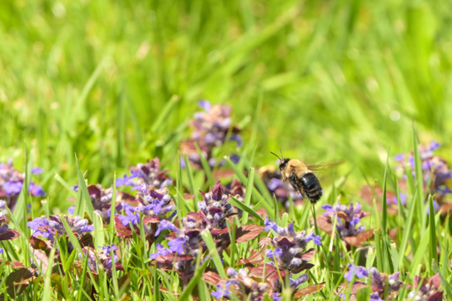
Pollinators, such as bees, butterflies, and hoverflies, are crucial for the reproduction of many plants and crops. About 75% of flowering plants depend on pollinators for fertilisation, making them essential for maintaining biodiversity and food production. However, many pollinator species are in decline due to habitat loss, pesticide use, and climate change. Schools can play a key role in reversing this trend by creating pollinator-friendly spaces that offer shelter, food, and safe nesting areas. Even a small space will contribute to a patchwork of biodiversity-friendly gardens in a locale.
Pollinating insects need food, and will be most visible when they are visiting flowers, but they also need suitable places to shelter and to successfully reproduce.

BACKGROUND INFORMATION

- SUBJECTS: Science, Geography, Mathematics
- IDEAL FOR: Primary school students, particularly those in 2nd to 6th class.
- REQUIRED PREMISES:
– Outdoor space: School gardens or any available outdoor school space (playgrounds, courtyards, or small patches of land).
– Fencing or borders: To protect plants from damage and to create a safe environment for pollinators. Borders can improve the appearance of biodiverse areas, showing that they are intentionally wild.
- TIME REQUIRED:
– Initial setup: approximately 1 hour
– Ongoing Maintenance: 15–30 minutes per week for watering, weeding, and observing pollinator activity.
REQUIRED MATERIALS

- Plants or seeds: Refer to guides such as pollinators.ie which has resources such as Guides to the top 10 pollinator plants to help choose the most suitable pollinator-friendly plants for your location and setting, consideringsoil type, drainage, level of sunlight the garden gets, and garden aspect (which direction the garden is facing).
- Compost or well-drained soil for planting. Choose peat-free compost if possible.
- Garden tools: Trowels, watering cans, gloves.
- Labels and paint or markers. A yoghurt carton can be cut up into strips to use as labels for naming plants and dates of planting.
- Educational resources: Information about local pollinators and their needs (printouts or books).
– The All-Ireland Pollinator Plan website pollinators.ie is a great source of resources.
– wildflowersofireland.net is also a good website for identifying Irish wildflowers – it is important to allow seeds to germinate from the natural seed bank wherever possible rather than bringing in seeds or plants from different locations.
Preparation
- Choose the location: Identify a sunny area on the school grounds with space to plant a variety of flowers and create a pollinator-friendly habitat.
- Create a border or boundary fence if necessary.
- Select plants: Choose a mixture of (ideally native) plants that flower at different times throughout the year to provide pollinators with a continuous food supply. Consult local gardening resources or (in an Irish context) the All-Ireland Pollinator Plan for the best plants for your location. To allow wildflowers to germinate naturally from the existing bank of seeds in the soil, you may need to remove the grass sod or weaken the grass which will out-compete most wildflowers. Refer to pollinators.ie for guidance on this.
- Prepare materials: Gather compost, soil, and plants. You can make simple bee hotels using stones, bricks, bamboo sticks, wood, or hollow stems, which will attract solitary bees.
- Create educational resources: Prepare information about the importance of pollinators and how students can help protect them. This could be in the form of posters, worksheets, or a classroom presentation.
Tasks in class
- Introduction to Pollinators: Begin with a discussion about pollinators, their role in the environment, and why they are important. Using visuals or videos to engage the class.
- Planting Activity: Students can work together in small groups to plant native flowers in the designated pollinator area. Encourage students to plant a variety of flowers, focusing on species that bloom in different seasons.
- Create Signs: Have students make labels or signs for the pollinator garden, with information on the plants and the types of pollinators they attract.
- Observation: After the garden is established, students can regularly visit and record which pollinators they observe. Create a journal or chart for the class to document their findings.
TIP

The following tips will help make a pollinator garden even more attractive to insects:
HINT
At this time where many young people are experiencing climate and environmental anxiety, wildlife gardening is a great way to take positive action to help local wildlife and our local community. The sights, smells and sounds of a vibrant garden provide solace to us all.