Details for review and rating for this initiative at the bottom of this page
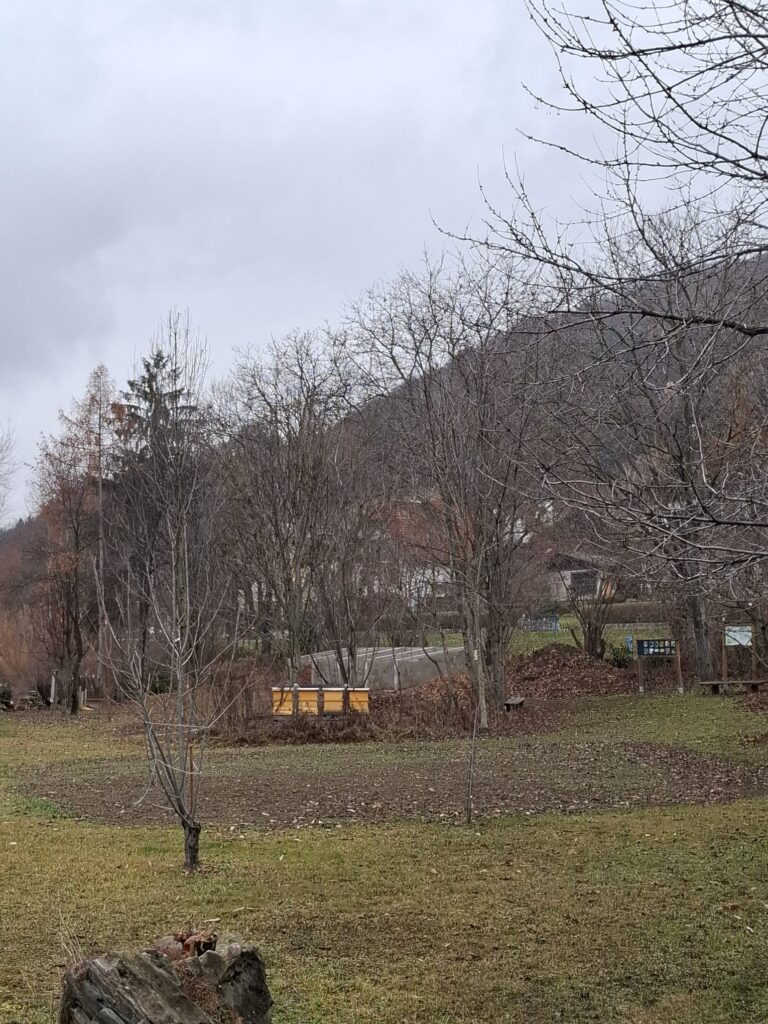
The Project
The project transforms an unused gravel area in the school garden into a biodiversity-friendly green space. In cooperation with an external environmental expert, students prepare the soil using regional compost, sow native wildflower seeds and plant site-appropriate plants. The initiative improves biodiversity, enhances the microclimate and creates a visible, long-term green area that is integrated into the school’s educational activities and maintained by students.
The school campus includes a gravel area with limited ecological function. Following a student initiative, this area is being upgraded through targeted greening methods to increase biodiversity and improve the microclimate while enhancing an existing outdoor learning space. Student involvement ensures that environmental topics are addressed through practical, experience-based learning.
The initiative starts with a planning phase in which students collaborate with an external environmental expert to assess the gravel area and define appropriate greening methods. This includes selecting native plants and planning soil improvement.
During the implementation phase, students prepare the area by improving the soil with regional compost, sow native wildflower seeds and plant site-appropriate plants. Prior to the practical work, students receive an introductory talk by the expert on biodiversity and the ecological value of native plants. The green space is then integrated into the existing outdoor learning area and maintained by students as part of ongoing school activities.
More details
The project is supported through cooperation with the Energy Region Weiz–Gleisdorf and an external partner, who provide funding and expert support for the implementation of the initiative.
The project results in the conversion of a previously unused gravel area into a biodiversity-friendly green space with native wildflowers and a newly planted site-appropriate plants. The initiative enhances ecological value on the school campus, improves the local microclimate and upgrades an existing outdoor learning area. Students gain practical experience in environmental action and contribute to the long-term care of the green space.
The initiative has a lasting impact on the school campus by increasing biodiversity and improving climate resilience through targeted greening measures. It strengthens students’ environmental awareness by linking theory with practical action and establishes the upgraded green area as a long-term learning and recreational space.
Students are actively involved in all phases of the initiative. They participate in the planning of the greening measures together with an external expert, carry out the practical work on site including soil preparation, wildflower seeding and tree planting and take responsibility for the ongoing care and maintenance of the green area as part of school activities.
- Students
- Green Team
The green area will be maintained and used as part of school activities and outdoor learning. Depending on available financial resources, minor further improvements to the surrounding learning space may be considered in order to enhance its educational use.
The School
- Upper secondary education
If you do not see the stars or if “Select a rating” is not working, please adjust your privacy settings. Scroll to the bottom of the page, click on “Change my settings”, and select “Accept all”.
333 Reviews on “Transforming a gravel area into a biodiversity-friendly green space”
Wow!
Superrrrr!!!!!!
Super Idee🪴🪴
Wirklich Klasse!.☘︎ ݁˖
hat die Schule dringend nötig. Jedenfalls ne super Idee
Voll gute Idee!
Super coole Idee:)
Great idea!
Super🌺
Sehr coole Idee
🌲🌷🌼
Excellent work!
Tolle Idee!!!!
Wow! Gute Idee!
Wow super!
gute Idee!!
I love the idea. wow so nice
Tolle Idee
Eine tolle Idee.
Really good idea!
Tolles Projekt
Super Idee!!!
SIst eine ganz tolle Idee
🐝💚
🙂
Suuuper!
Tolle Idee! Alles Gute für die Umsetzung!
This is a pretty good Idea!
Super Idee🌱
Grün ist meine Lieblingsfarbe. 💚
WOW!🤩
🌱❤️
Richtig Banger Idee find ich
Tolles Projekt 🌱
Das ist die beste Idee die ich je gehört hab !!!!!! :DDDDDD
🌴
Sehr gute Idee🌱
🍀🌱
suppa
Finde ich super
geil
Gute idee
Gute Idee 😊
Mega Idee 😊
Supii
Coole Idee!!!
Super Idee 🌺
Gute Idee 👍🏻
Tolle Idee!
Go HLW 🙂
Super Idee
Super Idee
Sehr gute Idee!!!
Gute Idee
Gute Idee 🤗
Sehr tolle Idee!
Great idea 🪴
Cool🌸🌸
Great idea 🪴
Ist eine Gute Idee
Ist eine Gute Idee
Great idea!!!
Super!🌷
Wowwww great🥳🥳🩷
Great Idea
Tolle Idee 🌿
Go for it 🌷
Sehr tolle Idee.🪴🌺
Gute Idee freu mich schon 🌻🍅🍓
Thats such a great idea!!
Ist eine Gute Idee
Super tolle Idee
Super
Great idea!!!
super!!!!!!!!!!!!🎄
Good Idea
Perfect idea🌷
Great 🌿🪴
Amazing ideaaaa
Super!🌷
Amazing Idea
Love your Idea
Super!🌷
Great idea🥳🥳🥳🩷
Sehr tolle Idee.🪴🌺
Sehr gute idee
Great ideaaaa 💐🌸🌷
You can do it
awesome idea
Gute Idee!
Mega!
Mega
Super! 🤩🌿
Toll
That’s an amazing idea 😁💚
Cool
Wow! Tolle Idee!!! 🤩🌷
🪴
That’s an amazing idea 😁💚
Super! 🤩🌿
Tolles Projekt!!🌷🌻🌱
Super Idee 🌻
Super Idee!!! 🍀💚
Super Idee! 🌳
Super Idee!
Sehr tolles Projekt Frau Prof. Enne:)
So eine tolle Idee🤩🤩🤩
tolles Projekt
Super 😊
Wow! Endlich wird die Schule grüner!💚💚💚💚 Das haben wir doch alle nötig🥰🥰🫶🫶💚🩵🩵💚🫶💚💚
super Projekt
unglaublich!
einfach nur unbeschreiblich
sehr Interessant
fantastische Idee
tolle Idee 🌱🌻🌷
WOW!! So ein tolles super projekt
WOW!! Sehr wichtiges Projekt!!!🌳🧚🏻♀️
cool 👍🏻
Super Idee!!
Großartig 🌳
Super Idee!
Gutes Projekt!
Unser Schulgarten ist ein richtig schöner und ruhiger Ort, an dem man in den Pausen entspannen und die Natur genießen kann. Man merkt, wie viel Arbeit und Liebe hineingesteckt wurde – deshalb verdient er auf jeden Fall fast 5 Sterne.
Oh welch erlesenes Kleinod ziert den Hofe unserer ehrwürdigen Lehranstalt! Der Schulgarten, gleich einem königlichen Lustgarten, entfaltet seine Pracht in anmutiger Ordnung und holdseliger Farbenfülle. Zarte Blüten neigen sich im sanften Winde wie höfische Damen zum Gruße, während die wohlgepflegten Beete von Fleiß und edlem Eifer künden. Hier wandelt der Geist in stiller Andacht, belehrt von der weisen Natur selbst, und das Herz erhebt sich in freudiger Bewunderung. Wahrlich, dieser Garten ist kein gewöhnlicher Flecken Erde, sondern ein grünes Juwel, dessen Besitz jede Krone mit Stolz erfüllen würde.
🪴❤️
vull cool 👍🏻
so toll!!!🤗
Super Idee 👍🍀🌿
Wow , toll😄🤩👍🍃
Mega😃☺️👍🏻🌿
💚
Richtig schön 🙌🏼
wowww!!!
Spitzen Idee 🤗🤗
wow so toll
💚super idee💚
Supa Idee
Gute Idee!💚🌿
👍
Super Projekt 💚
Tolles Projekt!
Supii Idee
Sehr gute Idee
Sehr cool!☺️
Nice idea📅
Sehr gute Idee! 🍃
Tolle Idee !
Super 😍
ich liebe die idee! frische luft ist so wichtig vorallem beim lernen 😍
🍃super Idee!
Sehr gute Idee 👍🤩
Omg so ein cooles Projekt!!!!!!!!!!!! 🤩
Super, wirklich Top!!
🤩🤩
💚
👍👍
Super Idee! So kommen Jugendliche wieder an die frische Luft!
Das ist wirklich eine super Idee! Super kreativ!
❤️
wie immer – eine Schule mit Blick in die Zukunft ♥️
Gute Idee
Tolles Projekt!
Tolle Schule mit gutem Erasmus +
🤍🪴
Tolle Idee
Wahnsinns Idee, wirklich toll. Weiter so!
Wow
toll!!!
👍
🤍🪴
🫶🏻
Sehr gute idee!
Gute idee
wow
Supii
👍
☺️
67
Super!
Wowii 🌷
😊
🌱❤️
Das Projekt ist Mega toll
Sehr coole Idee!!😄
Richtig toll!🤗
Tolle Idee 😊
Tolle Idee
Das beste Projekt ever!!!!!
So eine gute Idee omg
Tolle Idee!! ☺️
Wow!
tolle Idee🌱
Super Idee!!
Super Idee!
Super!👍🏻
Tolle Idee
Spitze!!
Gute Idee
Cooles Projekt 👍🏼
Tolle Idee 🙂
Gute Idee
schöner ort
Tolles Projekt!
Wow, supi 😁
👍
Tolles Projekt um Schülern zu zeigen, wie wichtig Biodiversität ist!
Sehr umweltbewusst🐝😁👍
Cool!
Wow ich bin sooo begeistert wirklich toll 😊 🤗🫰🏼🥰
Tolle Idee !
Top gemacht!
Great idea!
Tolle Aktion!!!
Richtig coole Idee, viel Glück 🍀
Super! Weiter so.
Supi dupi Idee🥰🤗
Sehr coole Idee
Great idea!
Cooles Projekt
Echt toll! Da kommen die Jugenlichen wieder mal dach draußen in die Natur 👍🌱🌿
Sehr toll!!!
supi!!
Top Idee 👍😎👋🦧
Cool
Go HLW/ FSB Weiz!!!
Super!
Cooles Projekt!
Wow, supiiii ☺️
WOW!🤩
Tolle Idee!
Super Idee! Gefällt mir sehr 🤩
good luck:)
Viel Glück☘️
🫰🏻🤗🥰
Tolles Projekt
🫰🏼🥰
Tolles Projekt
Wow, supiiii ☺️
Super Projekt! Viel Spaß und Erfolg!
Tolles Projekt !
Wow!😍
Wow super!
Cooles Projekt!
Cooles Projekt lets go HLW
Tolles Projekt🍀👍
Super Projekt
Tolles Projekt!
Viel Glück!
Cooles Projekt!!
HLW Weiz ist eine sehr gute Schule!
sehr cool
Sehr tolles Projekt
Klingt spannend! Viel Erfolg
Tolles Projekt!!!😍😍😍
Wow!
Wow
super Idee💚
👍😁
Wow!🤩
Das ist ja ein sehr schönes und naturfreundliches Projekt welches mir sehr gut gefällt. 🌸🤩
Go for it HLW Weiz!!! 😆
WOW!🤩
😍
Mega!
richtig tolle Idee!
Viel Spaß und Erfolg bei der Umsetzung!
Sehr tolles Projekt!🤩☺️
Wow!!!
Mega👍🤩
Tolles Projekt!
Super Projekt, richtig toll!!!Liebe ich!!! Go Go Go !! Mega!!🤩🙀
Cooles Projekt 🤩
Super Projekt🪴👍
✨️🦋 tolles Projekt
Sehr gute Idee! 🌱
So eine gute Idee 🎀
😍😍😍😍
Sehr schön!!
Tolles Projekt
Richtig gute Idee😍😍😍
Toll
Coole Idee🙂
Tolles Projekt! 🤩
Sehr tolles Projekt👍🏼🌸🌻🌷
🤩
mega ☺️
Tolles Projekt
🔛🔝
😛
🤩
Cooles Projekt
Tolles Projekt
Sehr cooles Projekt
gute Idee
Wow!😍😍
So etwas tolles hab ich noch nie gesehen😍👌Ich hoffe diese Projekt gewinnt!!!!!
Was ein tolles Projekt 😍 dieser Garten wird die Schule so aufwerten das ist unglaublich! Ich freue mich so wenn junge Menschen sich so sehr für die Umwelt einsetzen und engagieren❤️💕🍃🍃🍃🌳🌲
🙂
Super Idee!💡💚
Mega Projekt. Tolle Initiative. Bin endlos begeistert
Super!
Tolle Idee!!
Unglaubliches Projekt! Wirklich tolle Idee!
Wow, was eine tolle Idee ich bin ganz begeistert 🤩
Wunderschön 🌷
🥰🌸🌻
Mega 🤩
🪴
Schaut toll aus!
🤩🤩🤩
☀️🌏
🐸🦋🌱
🙂
find ich toll
🌷🌺 🌹
tolles Projekt
Super Projekt
Großartig!!!
Tolles Projekt 😀
Coole Sache!
Sehr cool!
Gefällt mir sehr gut!
Eine großartige Idee zur Förderung des Umweltbewusstseins von Jugendlichen!
Super Projekt!!
Tolle Idee! 💚
HLW FSB Weiz – you are doing great! 🌿
Super Projekt!!!
Finde ich sehr cool!
Tolles und nachhaltiges Projekt!
Let’s goooo greeen! 🌿💚🍀
Geniale Idee!
Yes! HLW FSB Weiz, go!
Wow, super! 🙂
sehr beeindruckend!
Go HLW FSB Weiz! 🍃
Super Idee, Great 😀
Great!
Great idea… looking forward to the result 🙂
Top!
Richtig cool!!
Gute Idee 🙂
Gelungen 🙂
good luck