Using Compost
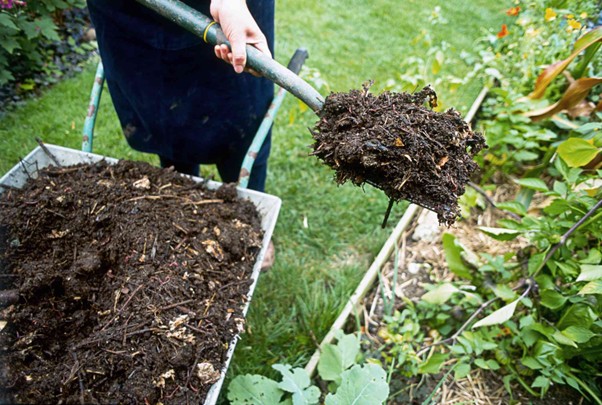
Where there are plants, there is a need for compost. Compost has so many uses you will never run out of ways to use this black gold! In schools, composting can be an engaging, educational tool to teach children about sustainability, waste management, and environmental stewardship.

BACKGROUND INFORMATION

- SUBJECTS: Science, Geography, Global Citizenship Education, Mathematics, Art
- IDEAL FOR: All primary school students, especially those in 3rd to 6th class, schools with access to outdoor space or gardening projects, and schools aiming to reduce waste and teach environmental responsibility.
- REQUIRED PREMISES: An outdoor space, such as a school garden or yard, for the compost bin or pile, a shaded area to keep compost cool and moist, access to a water source for maintaining moisture levels in the compost.
- TIME REQUIRED:
– Initial setup: 1–2 hours to set up the compost bin or pile.
– Ongoing maintenance: 10–15 minutes per week for turning compost and adding new materials.
– Observing Growth: 30–60 minutes per term to track composting progress and plant growth
REQUIRED MATERIALS

- Organic waste to compost (fruit and vegetable scraps, paper, garden waste)
- A compost bin or composting area, a shovel or garden fork for turning compost
- A watering can for keeping the compost moist
- Thermometer (optional to monitor temperature)
- Gloves and safety gear
Preparation
- Set up a compost bin: Choose a well-ventilated outdoor area for composting. If using a compost bin, ensure it has a lid to keep animals out.
- Gather materials: Collect a mix of “green” (fruit scraps, vegetable peelings, grass) and “brown” (paper, woody material, leaves, cardboard) organic materials.
- Create a system: Assign specific days for students to add materials and turn the compost. This could be done in class or as a lunchtime activity.
In Class Tasks
- Compost Collection: Students can bring food scraps from home (with prior consent) or collect waste from the school kitchen, staff room, or classrooms.
- Sorting and Layering: Teach students how to layer materials in the compost, explaining the balance between nitrogen-rich “greens” and carbon-rich “browns.”
- Monitoring and Turning: Regularly turn the compost with a shovel to help aerate and speed up decomposition.
- Gardening: Once the compost is ready, use it in the school garden to enrich the soil for planting vegetables, flowers, or shrubs.
Mulch
Unscreened coarse compost is a great mulch material. Put about 5-10 cm of mulch around annual plantings, trees, shrubs and on exposed slopes. This helps prevent erosion, smother weeds, keep the soil moist and slowly release nutrients. Note that you should dig out any perennial weeds (dandelions, docks, bindweed, couch grass, nettles etc.) before mulching, as they will grow through.In annual areas, the compost can be dug into the soil prior to planting as a soil amendment for the new season.
Topdressing
Compost is now commonly used for the maintenance of lawns and, on a larger scale, on areas such as sports pitches. The iron in the compost is a key element as it helps give turf a healthy green look. If you are using compost on grass, the first thing is to screen out the coarse bits from mature compost. For this, use a screen with holes less than 1 cm in size. Then spread 1 cm of the fine compost on top of lawns in spring to stimulate grass growth. Raking in up to 2 cm of compost after aerating or ‘plugging’ your lawn also works well.
Soil Additive for Planting
Compost improves soil structure and fertility while increasing its water- and nutrient-holding capacity. Mixing compost into the soil before planting improves every type of soil and makes plants grow better. Compost can be used in flowering beds, vegetable gardens, for planting trees and shrubs and in establishing new lawn areas.
Potting or seed starting mix
A screened (less than 1 cm) and well matured compost is ideal for making potting soil or seed starting mixes. A blend of one-third compost to two-thirds soil will produce an ideal potting mix. A mixture of one half compost to one half sand is perfect for creating a seed starting mix.
Compost Tea
Compost tea is a great way to use your compost. To make it, put some compost into a burlap or woven plastic sack and soak it in water for 2-3 days. The compost tea is rich with micro-nutrients and full of micro-organisms that restore and reinvigorate soil life. Some even use compost tea as a spray to fight plant diseases. This ‘tea’ can be used to irrigate both indoor and garden plants.
TIP

To speed up the composting process, chop large pieces of waste into smaller bits. This increases surface area and helps the materials break down faster. Maintain the right balance of green and brown materials—too much of either one can slow down decomposition.