Making Homemade Liquid Plant Feed
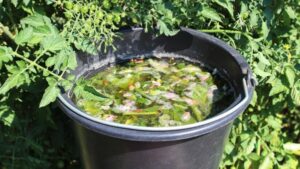
Liquid plant feed is an organic fertiliser made by soaking nutrient-rich plants in water to release their minerals and nutrients. Plants like comfrey, nettles, and borage are ideal for this purpose because they are high in essential nutrients such as nitrogen, potassium, and phosphorus, which plants need to grow strong and healthy.
Making homemade plant feed is an eco-friendly alternative to chemical fertilisers and a great way to reuse garden plants that might otherwise be considered weeds. This activity teaches students about natural cycles in gardening, sustainability, and plant nutrition.

BACKGROUND INFORMATION

- SUBJECTS: Science, Geography, Global Citizenship Education, Mathematics, Literacy
- IDEAL FOR: School gardens with vegetable patches or flower beds
- TIME REQUIRED: 1 – 2 lesson units
REQUIRED MATERIALS
- Fresh leaves from comfrey, borage, or nettles (wear gloves when collecting)
- Large bucket or container with a lid (plastic or polyethylene drums are popular and may be found second hand)
- Water (preferably rainwater)
- Mesh or strainer
- loves, labels for containers
REQUIRED PRESMISES/EQUIPMENT
- Gloves for collecting the leaves
- Garden scissors or secateurs
- Buckets or containers for soaking the leaves
- Stirring stick
- Watering can for applying the liquid feed
- Mugs for measuring
In Class Tasks
- Chop the Plants: Have the students chop or tear the leaves into smaller pieces to speed up the nutrient release. They can either use scissors or their hands. (Note that nettles sting, and comfrey leaves are quite prickly, so gloves will be needed).
- Fill the Container: Place the chopped plant material into the large container. It is best to fill it about one-third full with leaves or plant matter.
- Add Water: Fill the container with water, covering the plant matter. The more water used, the less concentrated the feed will be, so adjust based on how strong the liquid feed is required to be.
- Stir and Wait: Students can stir the mixture well, then cover the container with a lid or cloth. Leave it for 1-2 weeks to ferment. During this time, students should check and stir it every few days. It is best to keep the container in a shaded area as the fermentation process occurs. Note that it may smell terrible!
- Strain the Liquid: After 1–2 weeks, the plant feed should be ready. Students can use a strainer or muslin cloth to separate the liquid from the plant solids. The liquid is the plant feed. It is likely to be strong smelling.
- Dilute Before Use: The liquid feed is usually very strong, so make sure students dilute it with water before applying it to plants (about 1 part feed to 10 parts water).
TIP

Always wash hands after handling organic materials.
DID YOU KNOW?
Comfreyis sometimes called “the plant that heals bones” because of its healing properties. It is rich in potassium, which helps plants grow strong flowers and fruit. Comfrey, nettles, dock, dandelions, and borage can draw nutrients from the soil and accumulate them in their plant tissue.
You can also make liquid feed from weeds (allow them to decompose in water), compost and worm castings, and animal manure.